
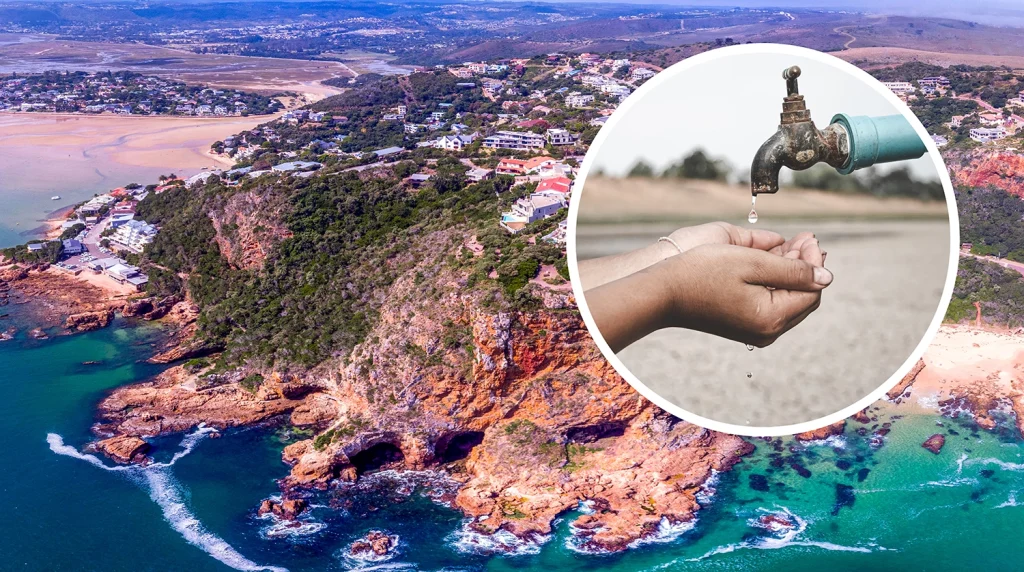
Knysna is running low on water, a situation that feels increasingly familiar across South Africa.
Knysna didn’t anticipate a water emergency, yet the region’s current challenges didn’t appear overnight. Like many municipalities, its water system has been quietly under strain for years. Ageing infrastructure hasn’t kept up with population growth, and the water demand from residents, tourism, and development has been rising, and there is limited backup capacity when supply falters.
Add below-average rainfall and unpredictable climate patterns, and you have a perfect storm that leads to water restrictions, rising costs, and a growing sense of uncertainty.
Cape Town has been here before when they narrowly avoided a near-catastrophic water crisis in 2018. Yet, the uncomfortable truth is that it could happen again.
What Water Shortages Mean for Body Corporates
For residential estates, sectional title schemes, and body corporates, water shortages are not just an inconvenience. They quickly become a financial and operational risk.
When municipal supply becomes unstable, properties face rising tariffs as cities introduce drought levies and consumption penalties. We saw this in Cape Town a few years ago, when high water consumption users were fined.
Emergency restrictions disrupt daily life and business continuity, and when infrastructure can’t cope with demand or pressure drops, then system failures
All of this risks reducing property values, as buyers and residents prioritise secure utilities.
Rather than panic, the solution is to source smarter.
Water resilience is no longer just a sustainability ‘nice-to-have’ but essential infrastructure planning. When drought or restrictions hit, properties with independent capacity continue functioning, preserving resident confidence, operational stability, and property value.
Instead of waiting helplessly for the next water restriction notice, forward-thinking body corporates are already investing in smarter, decentralised water solutions.
These include things like rainwater harvesting for irrigation, cleaning, and non-potable use and water reuse systems that reduce dependence on municipal supply. Implementing smart metering and leak detection prevents costly losses while on-site storage and back-up supply ensure continuity during any outages. It can significantly reduce water loss, meaning savings extend beyond simple tariff reductions.
These measures play a crucial role in a drought for sure, but they also reduce everyday consumption, improve efficiency, and provide long-term security. Yet many trustees and body corporates often think these are costly solutions. The moment a trustee hears the cost of tanks, meters, or reuse infrastructure, they predictably respond that they do not have the upfront capital.
Large-scale water upgrades have historically required major one-off investments, special levies, or years of delayed decision-making, but innovative financing solutions are changing that.
One of the most effective ways to unlock water upgrades for body corporates is through long-term infrastructure funding.